 Skip to content

A kitchen installation involves more than fitting cabinets and connecting appliances. It is a complex process that brings together multiple trades, precise technical requirements and a sequence of decisions that build on each other. When it is done well, the result is a kitchen that performs beautifully and lasts for decades. When it goes wrong, the consequences can extend well beyond a few misaligned doors.
Understanding the genuine risks of a poor kitchen installation is important for any homeowner planning a renovation. It helps you ask the right questions, make better decisions and choose the right team to deliver your project.
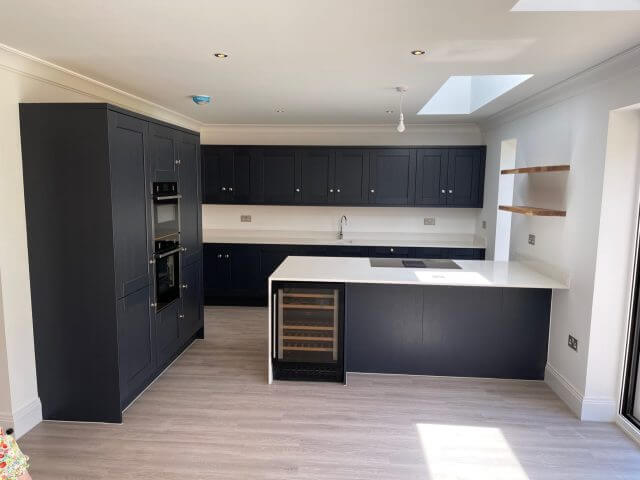
Water Damage From Incorrect Plumbing
Water is the kitchen’s greatest enemy when it finds its way somewhere it should not be. Poor plumbing connections, incorrectly fitted sinks, dishwashers not properly secured or waste pipes that are not adequately sealed can all result in slow leaks that go undetected for weeks or months.
By the time the damage becomes visible, water may have penetrated beneath the flooring, into the walls and behind the cabinetry. The cost of rectifying this, including drying out, replacing damaged materials and reinstating affected areas, can easily exceed the original cost of the kitchen installation itself.
Professional installation by experienced fitters who understand plumbing requirements is the most effective safeguard against this risk.

Electrical Hazards From Substandard Wiring
Kitchens are electrically demanding environments. Ovens, hobs, dishwashers, refrigerators and extraction systems all place significant loads on the electrical system. Incorrectly wired appliances or circuits that are inadequate for the load placed on them create genuine safety risks, including the potential for electrical faults, damage to appliances and in serious cases, fire.
All electrical work in a kitchen should be carried out by a qualified electrician and notified to building control under Part P of the Building Regulations. When budget kitchen companies use general labourers for installation work that includes electrical connections, this standard is not always met.
At Tolle Kitchens, electrical work is coordinated through qualified tradespeople as part of a managed installation process. Our project managers ensure the right trades are on-site at the right time and that all work meets the required standards.

Structural Problems That Emerge Over Time
Cabinets that are not fixed securely to the wall or floor, or that are installed without proper consideration for the structural condition of the wall behind them, can shift, settle or in extreme cases fail entirely. Wall cabinets carrying heavy appliances or significant loads of crockery and cookware represent a real risk if inadequately fixed.
A professional installation includes assessment of wall construction, use of appropriate fixings for the substrate involved and proper loading considerations, particularly for wall-mounted cabinetry.

Appliance Performance and Warranty Issues
Many appliance manufacturers specify installation requirements as a condition of their warranty. An integrated oven installed without the correct ventilation clearances, or a dishwasher not properly earthed, may fail prematurely and the manufacturer may decline a warranty claim if the installation does not meet their specification.
As a NEFF 5 Star MasterPartner, we have detailed knowledge of NEFF’s installation requirements and ensure every appliance is fitted to specification. This protects not only the performance of the appliance but the validity of the manufacturer’s warranty.

The Knock-On Cost of Remedial Work
When installation problems are identified after the fact, the cost of rectifying them is almost always higher than if they had been handled correctly in the first place. Accessing plumbing beneath a fitted kitchen requires removing cabinetry and worktops. Correcting electrical work may require chasing out walls that have already been plastered and decorated. Replacing a worktop that was incorrectly templated or cut means ordering a new one and waiting for fabrication.
These are not hypothetical scenarios. They are situations we regularly hear about from clients who have come to us after a disappointing experience with another supplier. The financial and emotional cost of going through a kitchen renovation twice is significant.

Choosing a Trustworthy Installation Partner
The best protection against poor installation is choosing a kitchen company with a demonstrable track record, qualified tradespeople, professional project management and genuine accountability for the finished result.
At Tolle Kitchens, we have over a century of combined experience across our team. Every project is managed by a dedicated project manager, and our installation teams are experienced professionals who take pride in their work. We are KBSA accredited and TrustMark accredited, which means our standards are independently recognised.
If you are planning a kitchen renovation in Yorkshire and want the confidence of working with a team you can trust, visit our Beverley showroom or our Halifax showroom for a free consultation.

FAQs
What are the most common problems caused by poor kitchen installation?
The most common issues include water leaks from incorrectly fitted plumbing, electrical faults from substandard wiring, cabinets that are not properly secured, appliances that do not meet manufacturer installation requirements and worktops that have been incorrectly measured or fitted.
Can a poorly installed kitchen affect my home insurance?
It can. If damage to your home results from installation work that was not carried out to the required standard, such as unlicensed electrical work, your insurer may dispute a claim. It is always advisable to use qualified tradespeople and ensure all notifiable work is properly certified.
What qualifications should a kitchen installer have?
Kitchen fitting itself does not require a specific licence, but any electrical work must be carried out by a qualified electrician and notified under Part P. Gas work must be carried out by a Gas Safe registered engineer. Choosing an accredited kitchen retailer such as a KBSA member provides additional assurance of professional standards.
How do I know if a kitchen company uses qualified tradespeople?
Ask directly. A reputable company will be transparent about who carries out the installation and what qualifications and accreditations their tradespeople hold. Tolle Kitchens is KBSA accredited and TrustMark accredited, and all work is carried out by experienced professionals.
What does a project manager do during a kitchen installation?
A dedicated project manager coordinates all trades, manages the sequence of works, oversees deliveries and acts as a single point of contact throughout your project. This ensures nothing falls through the gaps and the installation proceeds smoothly from start to finish.