 Skip to content
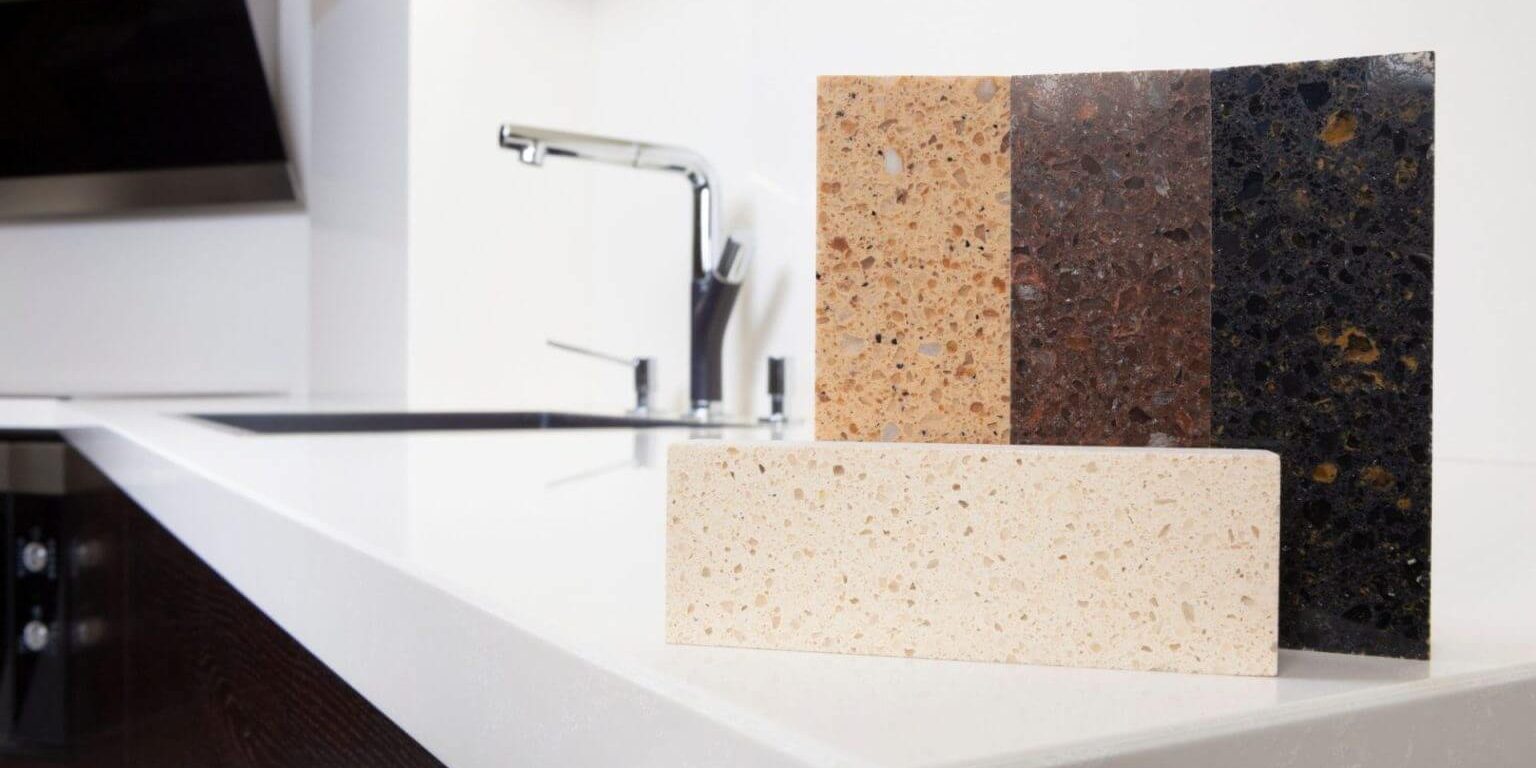
When planning a new kitchen, the worktop is one of the most important design decisions you will make. It influences the overall look of the space, the way your kitchen performs day to day, and how well it stands up to the demands of busy family life.
In recent months, there has been increased conversation around engineered quartz, silica dust and silicosis. Understandably, this has led some homeowners to question whether quartz and other stone surfaces are safe to have in their kitchens.
At Tolle Kitchens, we believe it is important to be open, informed and responsible. The short answer is that engineered stone worktops are not considered a danger to homeowners once they have been safely manufactured, finished and installed. The health concern relates to unsafe fabrication practices, particularly where stone is cut, ground or polished without the correct dust control measures in place.
That is why we work with trusted, professional suppliers who take safety seriously. Our Worktop Partner supports safer industry practices through low-silica surfaces, water cut fabrication methods and safe dust control measures.
What Is Silicosis?
Silicosis is a serious lung disease caused by breathing in fine particles of respirable crystalline silica dust. This dust can be produced when materials containing silica are cut, drilled, ground or polished.
Silica is naturally present in many materials, including granite, sandstone, quartzite, concrete, tiles and engineered quartz surfaces. The material itself is not the issue in everyday use. The risk arises when these surfaces are processed incorrectly, creating fine airborne dust that can be harmful to workers if inhaled regularly without suitable protection.
This is why silicosis is considered an occupational health concern. It affects those working in environments where stone and other silica-containing materials are fabricated without the appropriate safety controls.
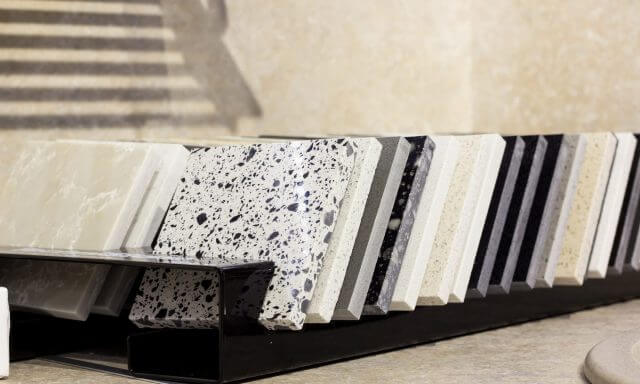
Are Engineered Stone Worktops Safe In The Home?
Yes, once professionally fabricated and installed, engineered stone worktops are safe for normal use in the home.
A finished quartz or stone worktop does not release harmful silica dust when you are preparing food, cleaning the surface or using your kitchen day to day. The concern is not with touching or living with the finished product. It is with the manufacturing process if cutting and finishing are carried out without the correct systems in place.
For homeowners, the key is to choose a kitchen company and worktop fabricator who can demonstrate responsible sourcing, professional fabrication and safe working practices.
Why Safe Fabrication Matters
Stone worktops require precision cutting, shaping and finishing before they are installed. This is specialist work and should always be carried out by trained professionals using appropriate machinery and safety procedures.
Unsafe dry cutting can create high levels of airborne dust. Responsible fabricators reduce risk through a combination of preventative measures, including water-based cutting methods, dust suppression, extraction, protective equipment, monitoring and worker health checks.
At Tolle Kitchens, we do not take this lightly. We understand that our customers want beautiful, durable worktops, but they also want reassurance that the products they choose have been handled responsibly.
Our Worktop Partner
Our Worktop Parnter are a member of the Worktop Fabricators Federation, an organisation that promotes professionalism and best practice across the surface fabrication industry.
They support safer industry practices through:
- Low-silica surface options
- Water cut fabrication methods
- Safe dust control measures
- Regular dust monitoring
- Occupational health assessments for staff
- Continued work with material suppliers to introduce lower crystalline silica alternatives
This approach reflects the direction of the wider industry. Manufacturers and fabricators are increasingly investing in lower-silica and zero-silica products, alongside improved fabrication processes designed to protect workers.
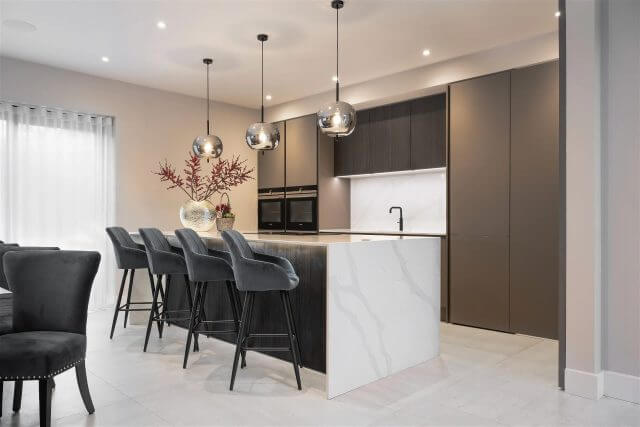
What Are Low-Silica & Zero-Silica Surfaces?
Traditional engineered quartz can contain varying levels of crystalline silica, depending on the product and manufacturer. Low-silica and zero-silica surfaces have been developed to reduce this content while still offering the durability, finish and visual appeal homeowners expect from premium worktops.
For customers, this means there are now more choices available than ever before. Whether you are looking for a refined marble-effect surface, a contemporary stone finish or an ultra-practical family-friendly worktop, our team can talk you through suitable options.
At Tolle Kitchens, we are always led by the needs of your home, your lifestyle and your budget. Where appropriate, we can discuss lower-silica alternatives alongside other beautiful surfaces such as porcelain, natural stone, Dekton and other specialist materials.
What Makes A Responsible Fabricator?
A responsible worktop fabricator should be able to explain how they manage risk during production. This includes how they control dust, how they protect their team, and how they monitor workplace conditions.
Our Worktop Partner’s approach includes water cut fabrication methods, safe dust control measures and regular dust monitoring. They also support their staff with occupational health assessments and are working with material suppliers to introduce lower crystalline silica alternatives while maintaining safe working practices.
For Tolle Kitchens customers, this means your worktop is not only selected for its beauty and performance, but also fabricated through a process that considers the safety of the people involved.
What This Means For Tolle Kitchens Customers
Choosing a new kitchen should feel exciting, not overwhelming. With so much information available online, it can be difficult to know which concerns apply to you as a homeowner and which are related to manufacturing.
Our role is to guide you clearly and honestly.
When you choose Tolle Kitchens, we will help you understand your options, explain the pros and cons of different worktop materials, and recommend surfaces that suit your home. We work with trusted specialists who share our commitment to quality, professionalism and safe practice.
You can still enjoy the beauty, practicality and longevity of a stone worktop with confidence. The important thing is choosing the right team to design, supply and fabricate it.
A Responsible Approach To Beautiful Kitchen Design
At Tolle Kitchens, we believe exceptional kitchen design is about more than aesthetics. It is about craftsmanship, functionality, longevity and trust.
From your first design appointment to the final installation, we carefully consider every detail of your project. That includes the suppliers we work with and the standards they uphold behind the scenes.
The conversation around silicosis is an important one because it highlights the need for responsible fabrication across the industry. For homeowners, it should not create unnecessary fear around finished worktops. Instead, it should encourage informed choices and a focus on working with reputable, safety-conscious professionals.
If you are planning a new kitchen and would like to explore your worktop options, our team will be happy to guide you through the materials available and help you choose a surface that is beautiful, practical and responsibly sourced.
FAQs
Is quartz dangerous to have in my kitchen?
No. A finished quartz worktop is not considered dangerous in normal home use. The health concern relates to silica dust created during cutting, grinding or polishing if fabrication is carried out without proper safety controls.
What causes silicosis?
Silicosis is caused by breathing in fine respirable crystalline silica dust over time. This dust can be produced when stone, engineered quartz and other silica-containing materials are cut or processed without suitable dust suppression and protection.
Should I avoid engineered stone worktops?
Not necessarily. The key is to choose a reputable kitchen company and professional worktop fabricator who follow safe fabrication practices. There are also low-silica and zero-silica options available for customers who would like to explore alternatives.
What safety measures do our Worktop Partner use?
They support safer industry practices through low-silica surfaces, water cut fabrication methods and safe dust control measures. They also conduct regular dust monitoring, support staff with occupational health assessments and work with suppliers to introduce lower crystalline silica alternatives.
Can Tolle Kitchens help me choose a safer worktop material?
Yes. Tolle Kitchens can talk you through a range of worktop options, including quartz, porcelain, Dekton, natural stone and lower-silica alternatives. We will help you choose a surface that suits your design, lifestyle and practical needs.